
Good Garms
Overview
The fashion industry is a mess. It’s built on exploitation. Clothes are getting cheaper and cheaper. You can buy a t-shirt for £2. That £2 needs to cover materials, labour, transport, storage and many other things. It doesn’t add up.
Which means corners need to be cut somewhere. Using cheaper, lower quality material. More chemicals on the crops to keep up with demand. And worse treatment of workers so they’re overworked, underpaid and not in safe working conditions.
It pushes this throwaway culture, where things are so cheap it doesn’t matter if you wear it once then throw it. But there’s a huge environmental and societal impact. Around 10% of the world’s emissions are linked to it. One of the most polluting industries that exists — more than the worlds flying and shipping combined. And there’s no shortage of stories about horrific work conditions, exploitation and mistreatment of workers.
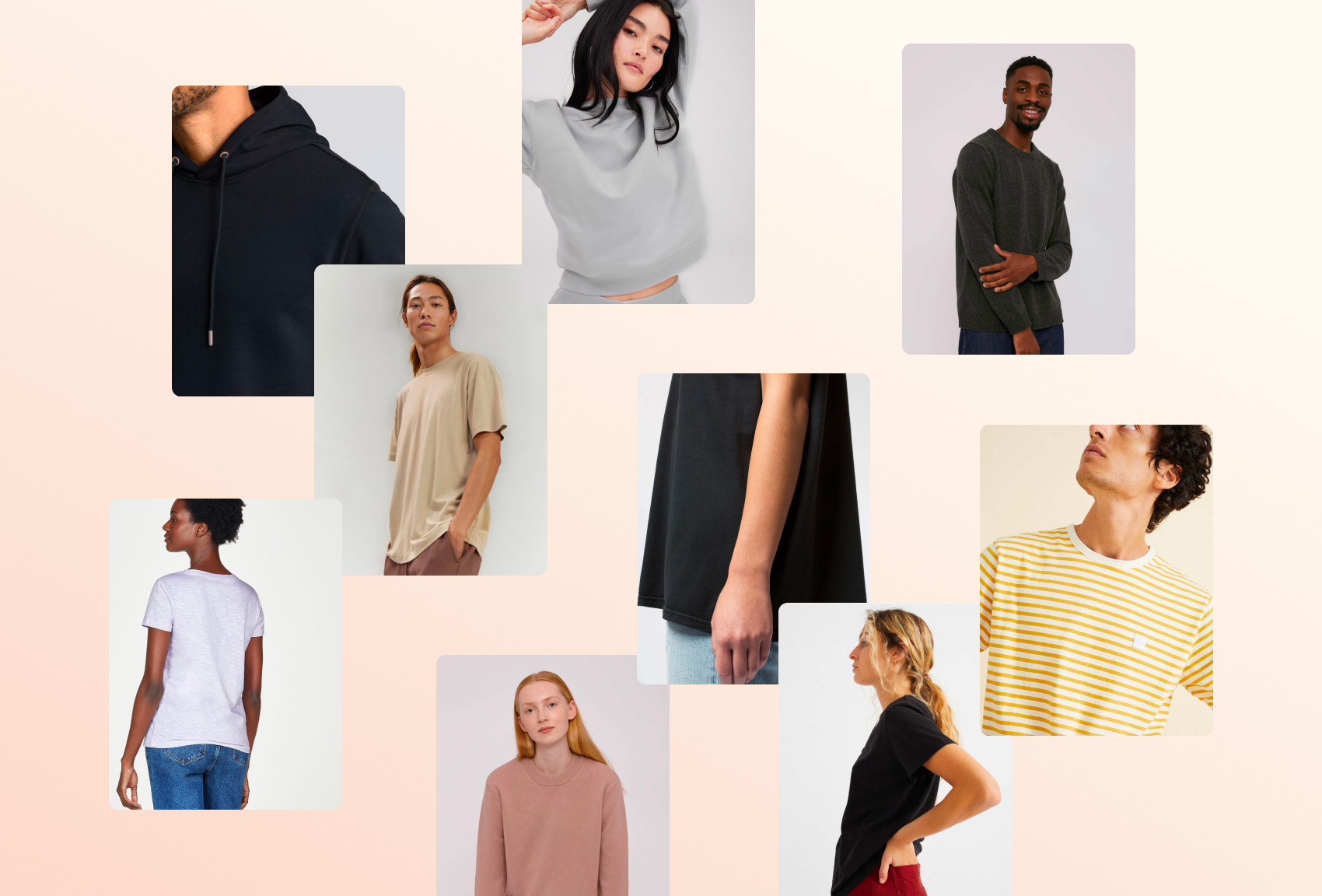
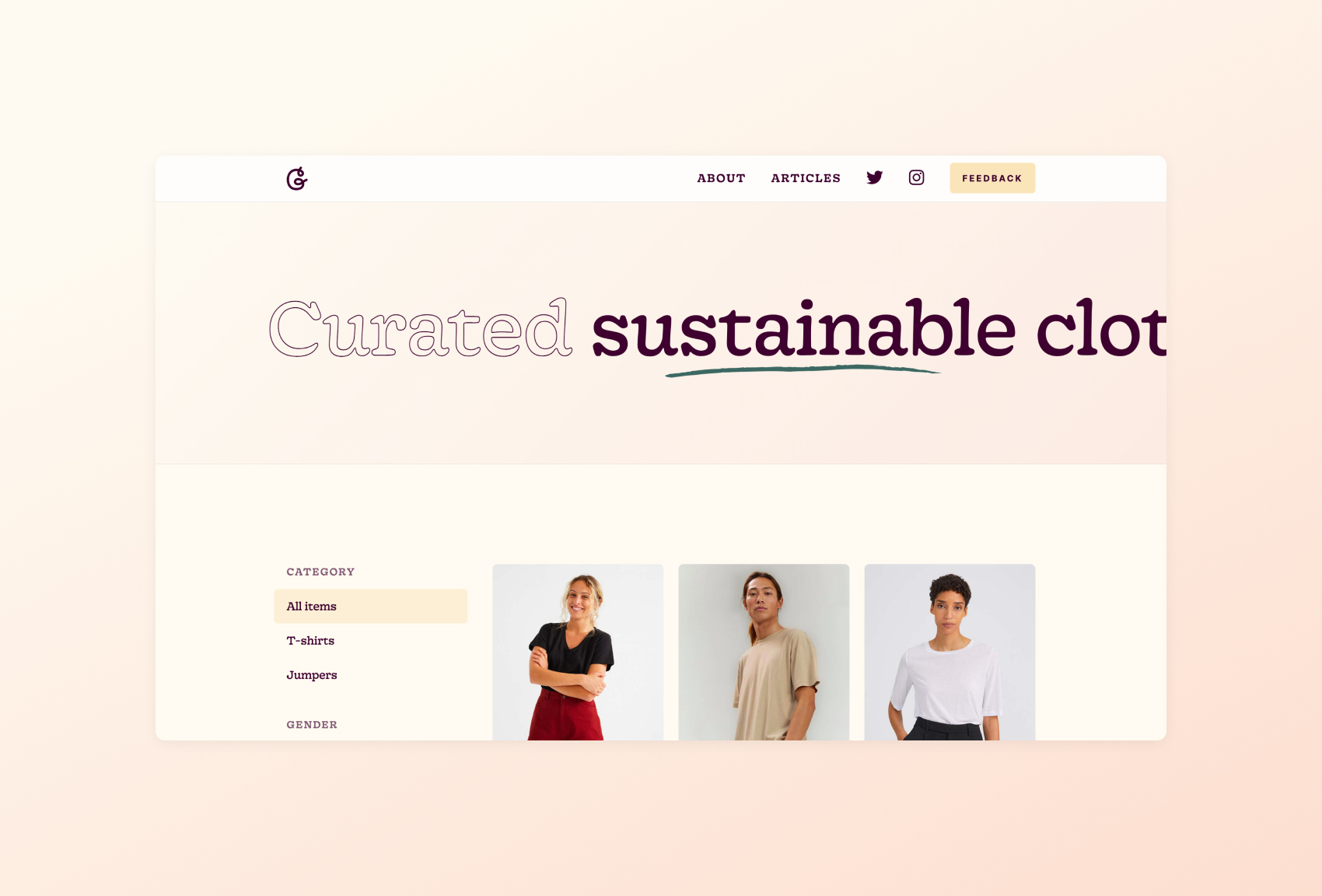
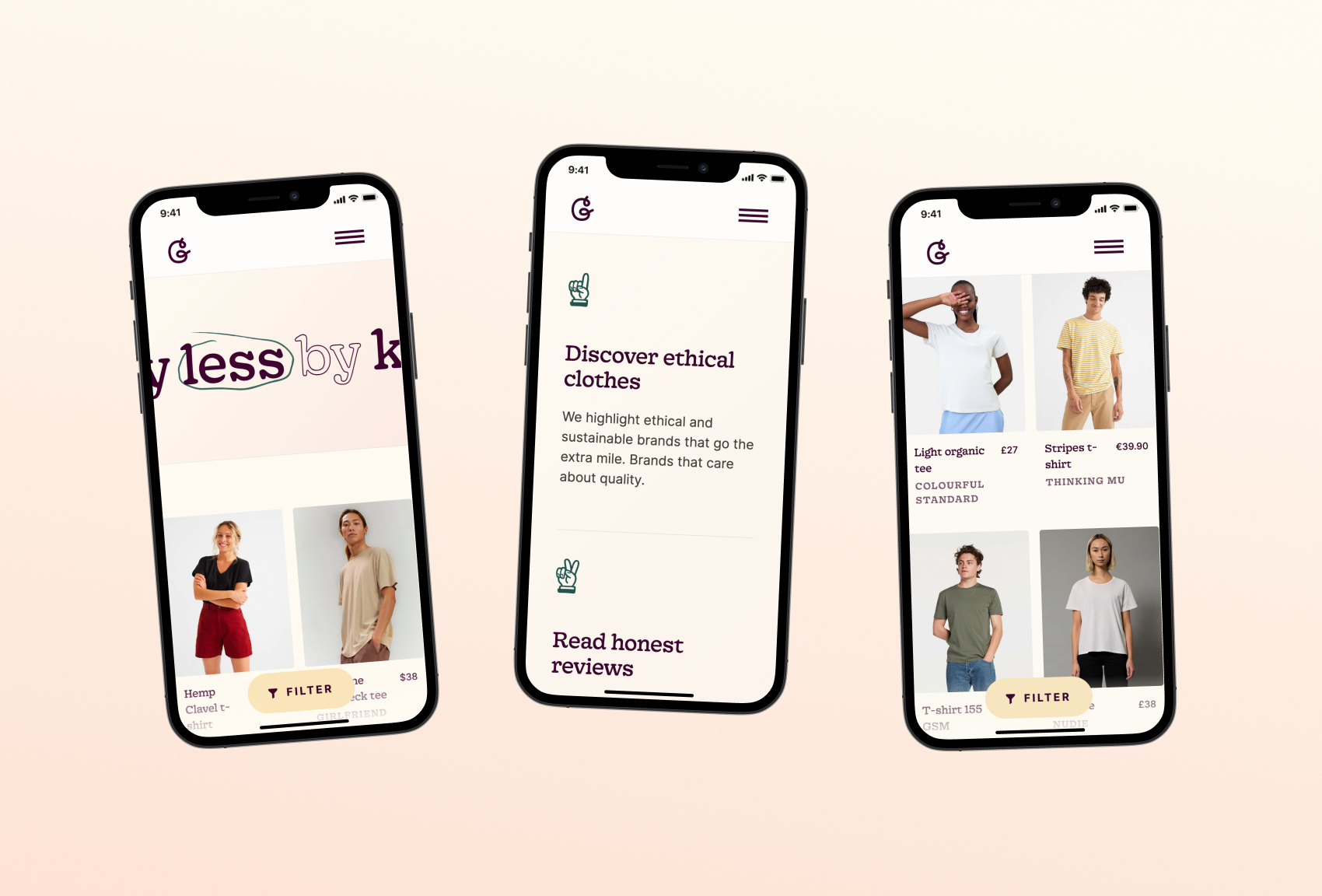
Good Garms is a side project I started with my partner. We’re making Good Garms because we think finding sustainable clothes should be easy. Clothes that don't sacrifice quality, the planet, or the people that made them.
My contribution
Product strategy User research Branding Product design
The team
Year
2020
Process
Kicking the work off
We started working on Good Garms back in May 2020. We had a rough idea of what we wanted to do — so we ran a few lightweight branding exercises. We came out of these activities with a name, and some brand values. We managed to get the .com domain.
We quickly put together a holding page. We wanted to capture emails of people that showed early interest. And it gave us time to figure out what Good Garms was actually going to be.
Outcome
Good Garms is an ongoing project. We spend time as and when we can alongside life. Our focus now is how we build a steady steam of traffic that get value from Good Garms. Building out relevant content around sustainable fashion. And continuing to learn how people use the site and how it could be better.